Crypto Wallet
App Development

Stateside Digitals builds custom crypto wallet apps for fintech founders, Web3 platforms, and financial institutions across all 50 states, covering custodial and non-custodial architecture, multi-chain support, and fiat on-ramp integration.

Why The Crypto Wallet Market Needs The Right App

A crypto wallet is one of the few applications where a security failure means the permanent, irrecoverable loss of a user’s funds. That is not a bug with a hotfix — it is the end of the platform. The wallets that survive in this market are the ones where every layer of key management, transaction signing, and user authentication was designed for the threat model from day one rather than hardened after the first incident.

For founders building in this space, the design challenge is the opposite of most consumer apps: simplicity at the surface over a security architecture that cannot be simplified. A wallet that is too complex to use correctly is abandoned. A wallet that simplifies the wrong things gets drained. Getting that balance right requires understanding both the cryptographic requirements and the consumer UX patterns that make a technically correct product one that people will actually use.

Our Crypto Wallet
App Development Services

01

Asset Management and Portfolio

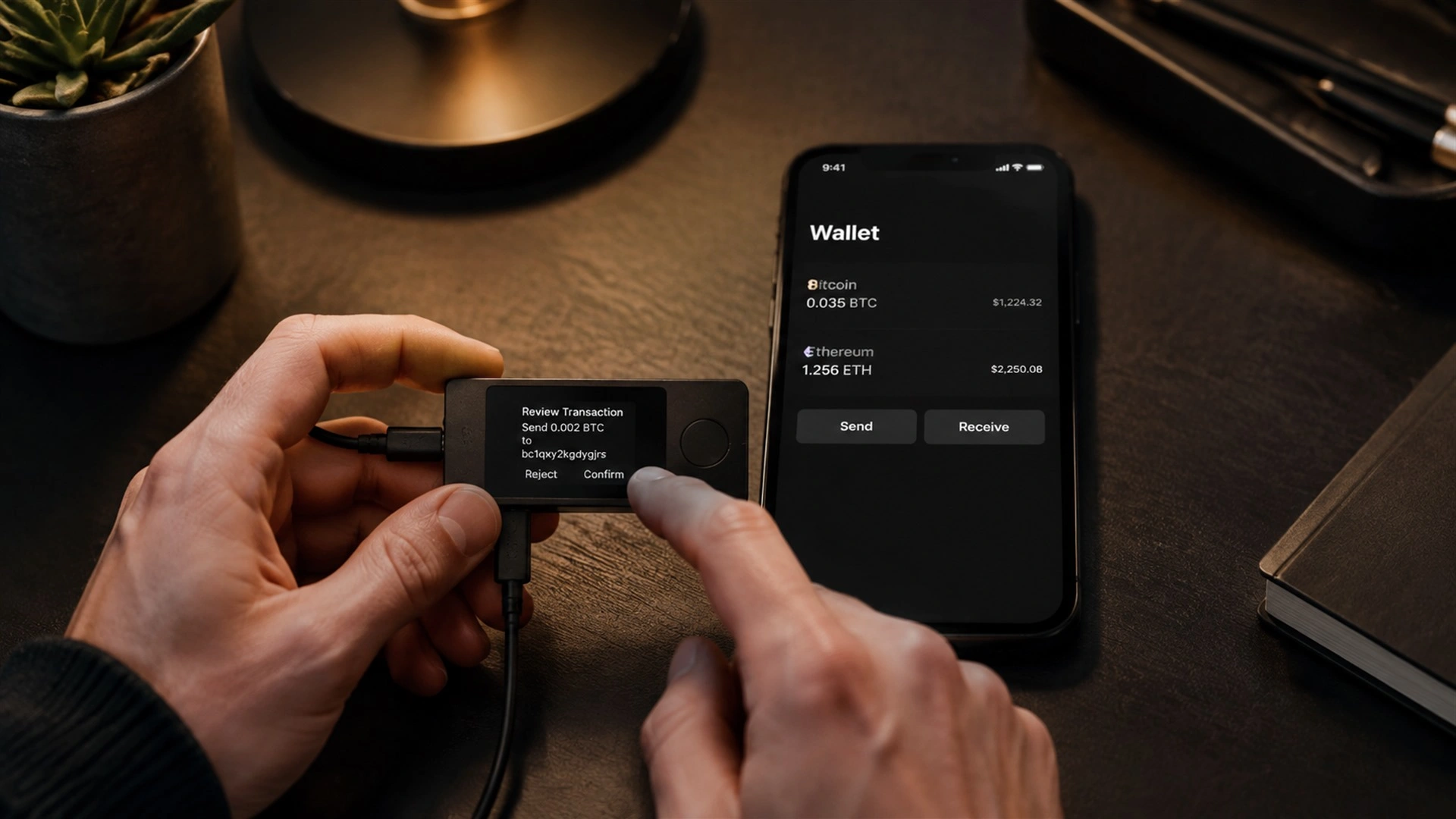
Multi-chain asset balances, transaction history, token management, NFT display, and portfolio value tracking across wallets and chains in one interface.
03

Fiat On-Ramp and Off-Ramp

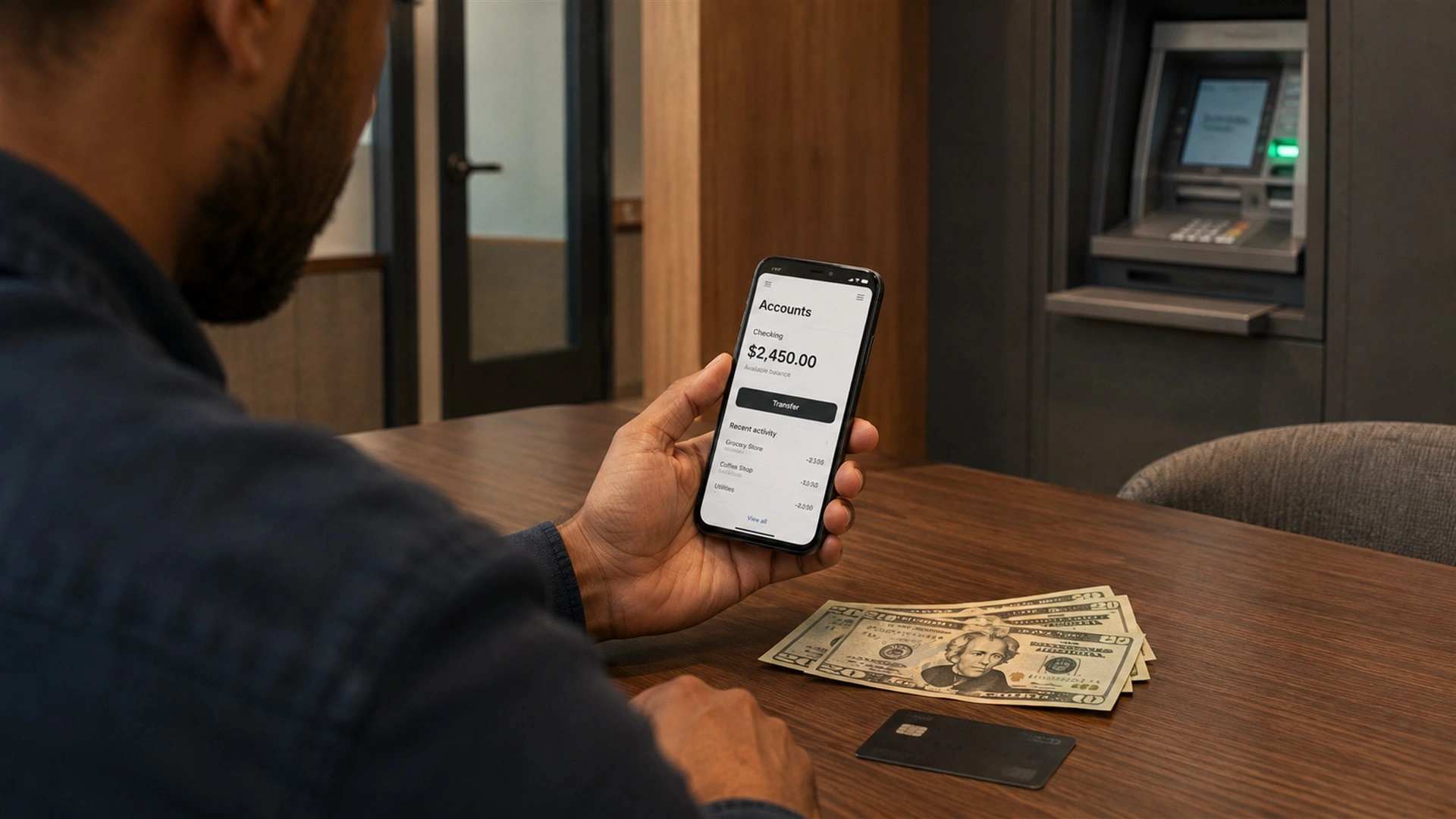
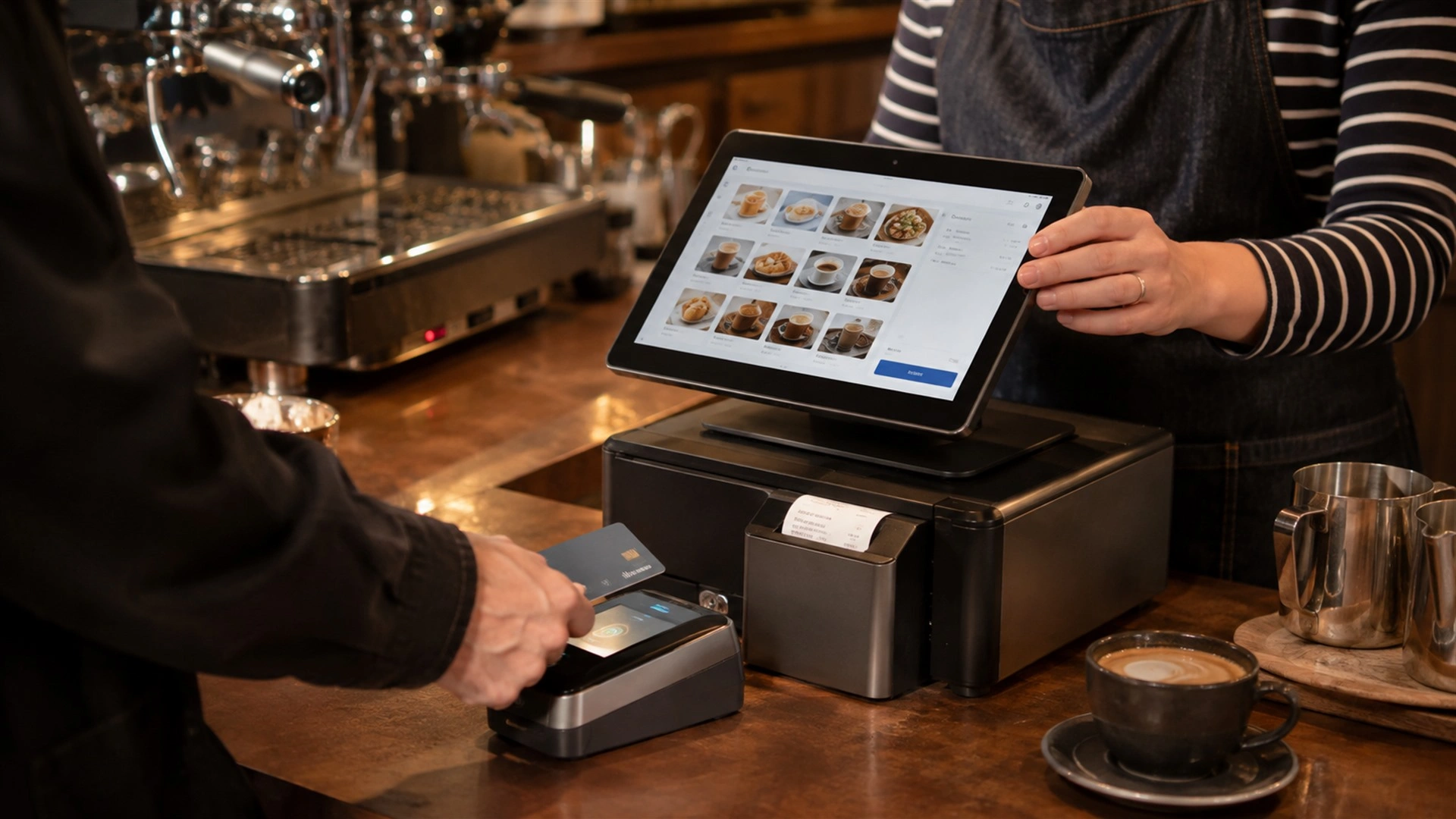
Credit and debit card purchase of crypto, ACH funding, and fiat withdrawal, integrated with licensed on-ramp providers so users can move money in both directions.

Crypto Wallet App
Models We Build

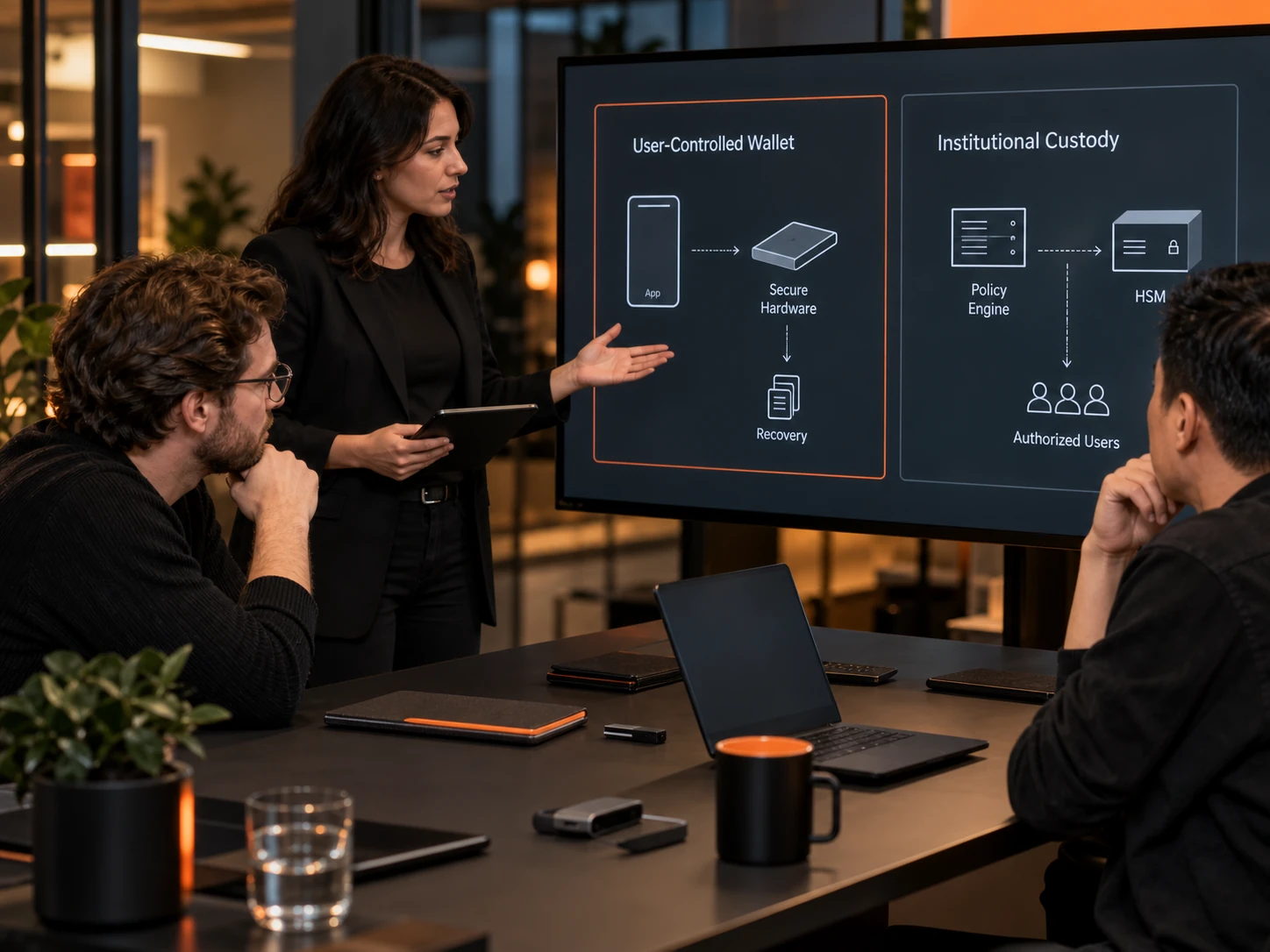
Three wallet models define most of the market. The security architecture, the regulatory obligations, and the UX approach differ significantly between them.
01

Custodial Wallet App

The platform holds private keys on behalf of users. More accessible for non-technical users, but requires a robust key custody infrastructure, KYC at onboarding, and likely money transmitter licensing.

02

Non-Custodial Wallet App

Users hold their own private keys. Less regulatory exposure for the platform, but the UX must handle seed phrase management, key backup, and recovery in a way that does not result in permanent fund loss.

03

Multi-Chain Portfolio App

A read-plus-send wallet spanning multiple chains and accounts, where the primary value is unified visibility across a user’s full digital asset portfolio rather than custody of a single chain.

The Kind Of Experience
Users Already Expect

A user who has used Coinbase or MetaMask arrives at a new wallet with a reference point. They expect to see their balance update within seconds of a transaction confirming. They expect transaction fees to be shown before signing, not after. They expect recovery options to exist and work before they need them rather than being documented in a help article they find when funds are already inaccessible. Missing any of those three damages trust in a way that is very difficult to recover from.

The regulatory expectations for custodial wallets are moving quickly. A custodial wallet holding customer funds is likely a money transmitter under FinCEN guidance, requiring state-by-state licensing across the states where users reside. KYC at account opening and AML transaction monitoring are obligations that apply before the first deposit, not after the first examiner’s letter. We treat the compliance architecture as a design constraint from the first discovery session rather than as a legal opinion to obtain later.

Key Features We Build, By User

05 features
  • Multi-chain asset balance and portfolio view
  • Send, receive, and swap with gas estimation
  • Transaction history and confirmation tracking
  • Fiat on-ramp and off-ramp with card and ACH
  • Biometric authentication and session controls

How Much Does A
Crypto Wallet App Cost?

Cost depends mainly on which custody model you choose, how many chains you support, and how complex your compliance requirements are. As a general guide:
01

Non-Custodial Wallet MVP

Core send, receive, and balance features for one or two chains without custody infrastructure. These typically fall in the mid five-figure range and take twelve to eighteen weeks to build.

02

Full-Feature Consumer Wallet

Multi-chain support, fiat on-ramp, swap functionality, and portfolio tracking with a polished consumer experience. These sit in the high five-figure range with an eighteen to twenty-four week build.

03

Custodial or Institutional

Custodial wallets with HSM key management, KYC and AML infrastructure, money transmission compliance, and institutional-grade security. These run into the six-figure range and are scoped individually.

These are market ranges, not fixed quotes. We give you an itemized number after a short discovery call.

How We Work

01Discovery

We map your custody model, your target user, your chain requirements, and your compliance obligations before any design decisions are made.

02Design

We prototype the send, receive, and recovery experience before development starts, testing the security interaction points and the seed phrase flows specifically.

03Development

We build in sprints with regular check-ins, with key management and security architecture built alongside the interface rather than reviewed at the end.

04Testing

Every build goes through security review and transaction flow testing on testnet before release so key management and signing logic are validated before real assets are involved.

05Launch and Support

We handle App Store and Google Play submission and stay on for chain updates, protocol upgrades, and new asset or chain additions after launch.


Technologies We Use
For Crypto Wallet
App Development

We build crypto wallet apps in React Native for iOS and Android. Web3 interactions use ethers.js and viem for EVM chains, with chain-specific libraries for Solana and Bitcoin. Custodial key management integrates AWS KMS or a hardware security module provider. Fiat on-ramp connects to licensed providers including MoonPay, Transak, or Stripe. Smart contract interactions for swap and DeFi features use audited interfaces rather than custom contracts where possible.
  • React Native
  • TypeScript
  • JavaScript
  • Node.js
  • PostgreSQL
  • Redis
  • AWS KMS
  • Stripe
  • GraphQL
  • HSM
  • Google Cloud
  • Firebase

Why Choose Stateside Digitals For
Crypto Wallet App Development

Frequently Asked Questions

What is the difference between custodial and non-custodial?

In a custodial wallet, the platform holds private keys on behalf of users, like a bank holds deposits. In a non-custodial wallet, users hold their own keys, and the platform cannot access or recover funds. The choice determines your security obligations, your regulatory exposure, and your recovery UX.

Do we need money transmitter licences?

How do you handle private key security?

Can the wallet support multiple blockchains?

How is this different from your Crypto and Web3 industry page?

Let’s Build Your
Crypto Wallet

Tell us which custody model fits your product, which chains your users hold assets on, and what your legal counsel has advised on compliance, and we will scope from there.

FILL THE FORM

Stateside Digitals
@2026
LET’s CONNECT