Ride-Sharing
App Development

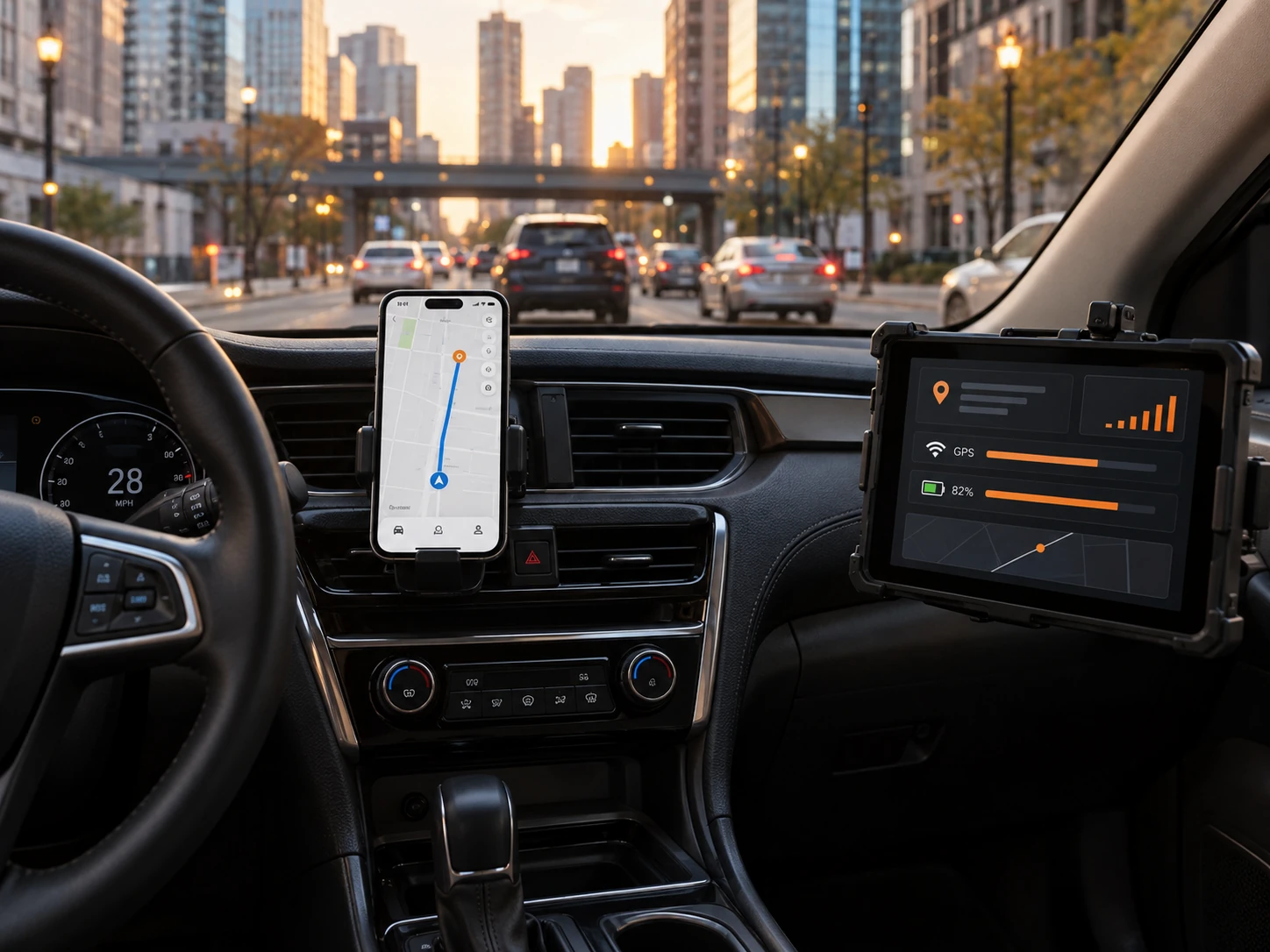
Stateside Digitals builds custom ride-sharing and taxi apps for platform operators, fleet businesses, and corporate transport companies across all 50 states, covering real-time driver matching, dynamic pricing, and TNC compliance.

Why The Ride-Sharing Market Needs The Right App

Building a ride-sharing app is not the hard part. The hard part is having enough drivers in the right areas when demand exists, pricing trips in a way that attracts both sides, and making the experience from booking to dropoff reliable enough that a rider chooses your platform again the next time rather than opening Uber out of habit. The technology enables all of that, but the product problem comes first.

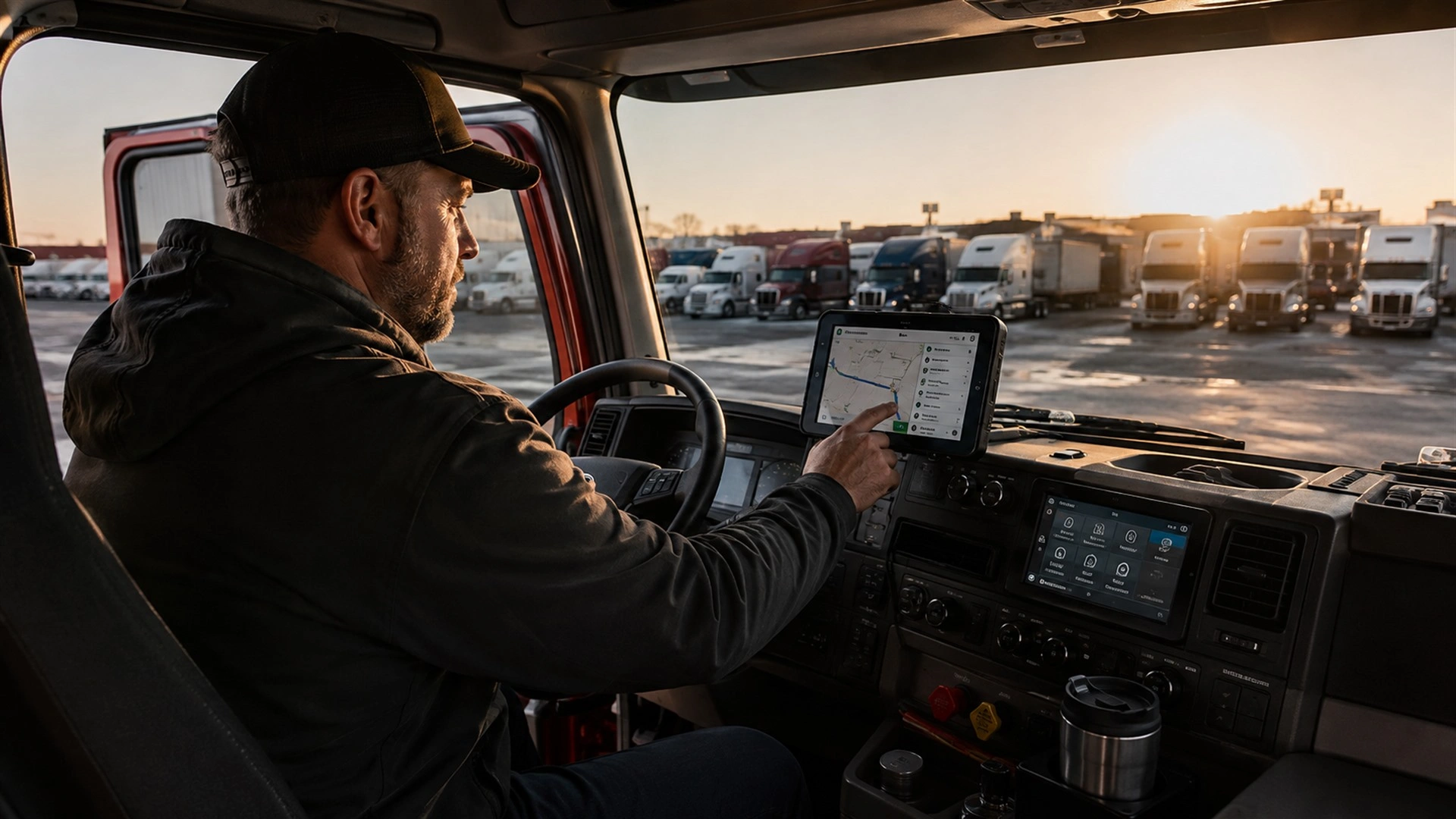
For fleet operators and taxi companies, the problem is different and more immediate. Dispatch software built for the radio era does not handle app-based booking, GPS routing, digital payment, and the real-time visibility passengers now expect as a baseline. A custom ride platform built around a fleet you already operate gives you a direct booking channel, eliminates the commission going to a third-party aggregator, and brings the passenger relationship back under your brand.

Our Ride-Sharing
App Development Services

01

Rider and Driver Apps

Native iOS and Android apps for both sides of the transaction, with booking, matching, tracking, payment, and rating built into each role’s specific flow.

03

Fleet and Dispatch Dashboard

Operations tools for platform managers: live fleet map, driver assignment, trip monitoring, earnings reporting, and driver onboarding and compliance management.

Ride-Sharing App
Models We Build

Three distinct business models underpin most ride-sharing operations. The architecture and compliance requirements differ meaningfully between them.
01

Marketplace Platform

Independent drivers listed on a platform, matched to riders in real time. Requires driver onboarding, background check integration, dynamic pricing, and split payment and payout management.

02

Fleet Operator App

A dispatch and booking app for an owned fleet of vehicles, with employed or contracted drivers. Scheduling, zone management, and driver assignment are operator-controlled rather than algorithm-driven.

03

Corporate Transfer Service

Scheduled executive or airport transfers with fixed pricing, corporate account management, invoice billing, and passenger communication tools for professional transport operators.

The Kind Of Experience
Riders Already Expect

A rider who uses Uber or Lyft regularly has a reference point that is not the taxi industry of ten years ago. They expect to see their driver’s location the moment the booking is confirmed, receive a real estimated arrival time rather than a range, know the driver’s name and rating before they get in the car, and pay without reaching for a wallet. Meeting those expectations is not optional for a ride-sharing platform that wants a second booking from its first passengers.

The regulatory expectations are less visible but equally non-negotiable. Most US cities and states license Transportation Network Companies separately from traditional taxi operators and impose specific requirements on background checks, insurance minimums, accessible vehicle availability, and fare transparency. A ride-sharing platform that launches without mapping those requirements does not stay operational long enough to reach the product problems.

Key Features We Build, By User

05 features
  • Instant booking and scheduled ride options
  • Real-time driver location and ETA
  • Fare estimate before confirming
  • In-app payment and digital receipt
  • Driver rating and trip history

How Much Does A
Ride-Sharing App Cost?

Cost depends mainly on how many panels your app needs (rider, driver, fleet, admin) and how complex your business model is. As a general guide:
01

Fleet Operator Apps

Dispatch and booking for an owned fleet without a public marketplace. These typically fall in the lower to mid five-figure range and take ten to sixteen weeks depending on fleet size.

02

Regional Marketplace

A two-sided platform with independent drivers, real-time matching, dynamic pricing, and payment processing. These sit in the mid to high five-figure range with a sixteen to twenty-four week build.

03

Enterprise Platforms

Multi-city platforms with advanced matching, corporate accounts, regulatory compliance tooling, and white-label capabilities. These run into the six-figure range with longer delivery timelines.

These are market ranges, not fixed quotes. We give you an itemized number after a short discovery call.

How We Work

01Discovery

We map your market, your driver supply strategy, your regulatory environment, and your pricing model before any design decisions are made.

02Design

We prototype the rider and driver experience separately before development starts, because the two flows have different time pressures and interaction requirements.

03Development

We build in sprints with regular check-ins, with the matching engine and payment infrastructure built alongside the apps rather than after them.

04Testing

Every build is tested with simulated driver supply scenarios before release so matching latency and pricing logic are validated before real riders experience them.

05Launch and Support

We handle App Store and Google Play submission and stay on for regulatory changes, new city launches, and fleet or pricing updates after launch.


Technologies We Use
For Ride-Sharing
App Development

We build rider and driver apps in React Native for both iOS and Android, with native location modules for continuous background GPS. The backend runs on Node.js for real-time matching and trip events, with PostgreSQL for trip records and driver data, and Redis for live driver positions and matching state. Payments process through Stripe Connect. Maps, routing, and geofencing use Google Maps Platform.
  • React Native
  • TypeScript
  • JavaScript
  • Node.js
  • PostgreSQL
  • Redis
  • GraphQL
  • Stripe
  • Google Maps
  • AWS
  • Google Cloud
  • Firebase

Why Choose Stateside Digitals For
Ride-Sharing App Development

Frequently Asked Questions

Do we need a TNC license to operate a ride-sharing app?

In most US states and cities, yes. Transportation Network Company licensing requirements vary significantly by jurisdiction and cover insurance minimums, background check standards, and accessible vehicle requirements. We map the requirements for your target markets during discovery and recommend legal counsel before launch.

Can you build surge pricing into the platform?

How do you handle driver background checks?

Can the platform support scheduled bookings?

How long does it take to build a ride-sharing app?

Let’s Build Your
Ride-Sharing App

Tell us which market you are launching in, how you plan to build driver supply, and which regulatory requirements apply, and we will scope a platform built for all three.

FILL THE FORM

Stateside Digitals
@2026
LET’s CONNECT