Telemedicine
App Development

Stateside Digitals builds custom telemedicine apps for telehealth startups, specialty providers, and healthcare platforms across all 50 states, covering HIPAA-compliant video, EHR integration, virtual care billing, and cross-state licensing management.

Why The Telemedicine Market Needs The Right App

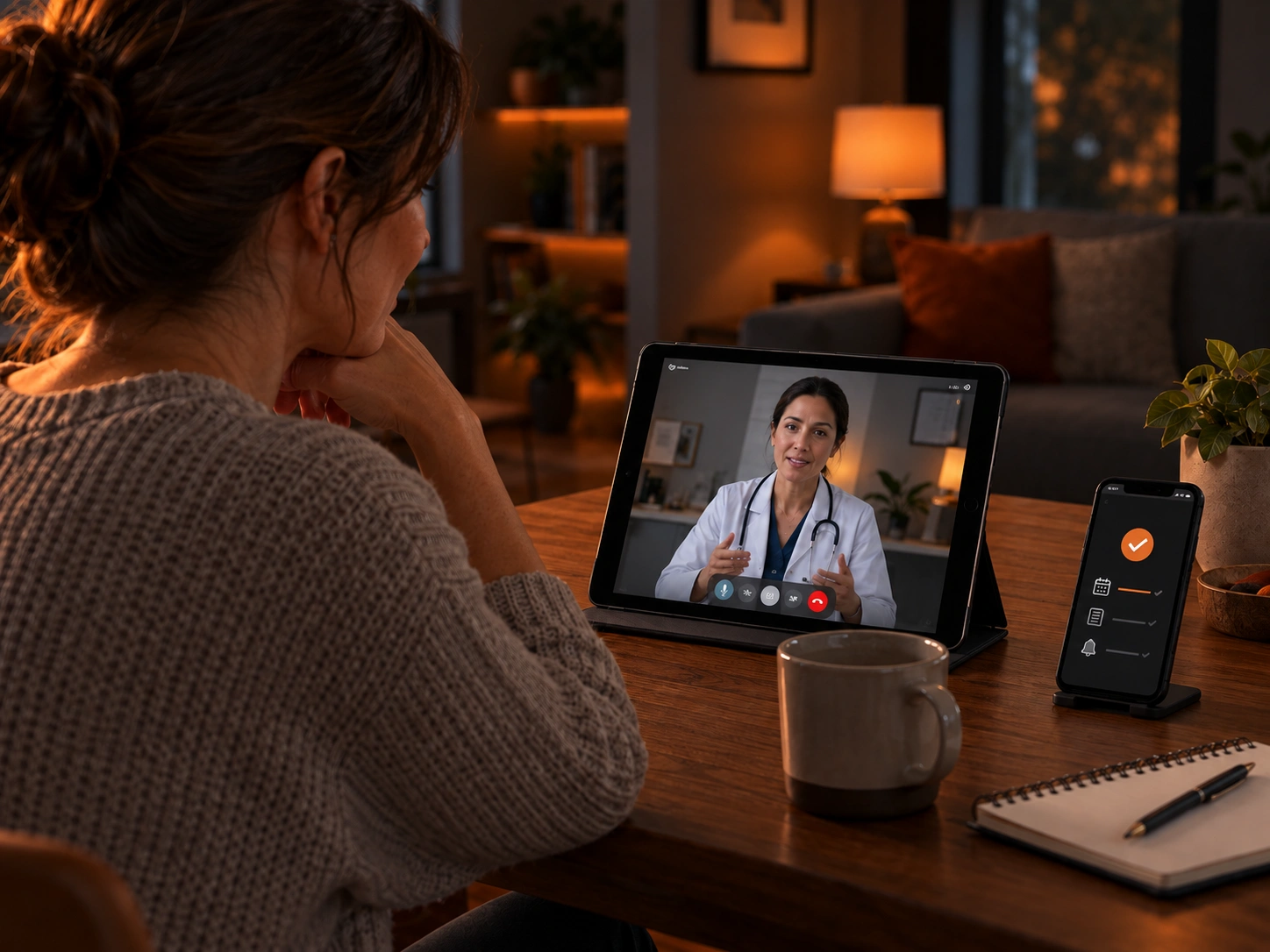
A generic video call is not a clinical encounter. A telehealth visit has a waiting room, a consent flow, a clinical note, a prescription workflow where it applies, and a billing record that satisfies the insurance or the patient’s out-of-pocket requirement. Building those pieces into a platform that feels effortless for the patient and efficient for the clinician is what separates a telemedicine product from a video tool with a healthcare label.

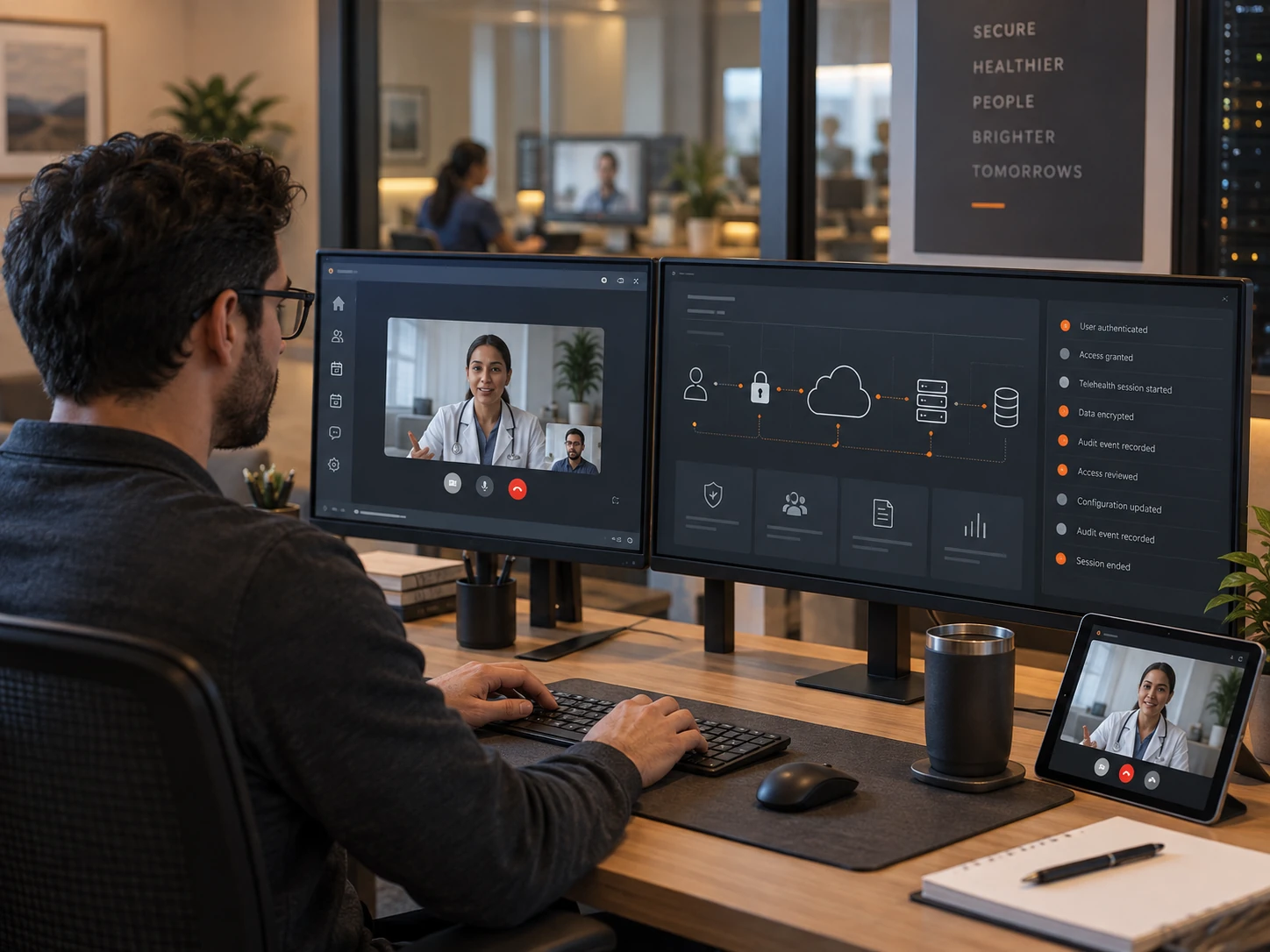
The regulatory complexity is what most telehealth founders underestimate at the outset. HIPAA governs how patient data is stored, transmitted, and accessed. Cross-state medical licensing governs which patients each provider may legally see. Prescribing regulations vary by substance, by state, and by whether the provider has seen the patient before. Each of those constraints has a technical implementation that either works correctly or creates liability before the first real patient encounter.

Our Telemedicine
App Development Services

01

Patient Booking and Intake

Appointment scheduling, intake questionnaires, consent forms, and insurance verification in a flow the patient completes before the provider joins the session.

03

EHR Integration and Billing

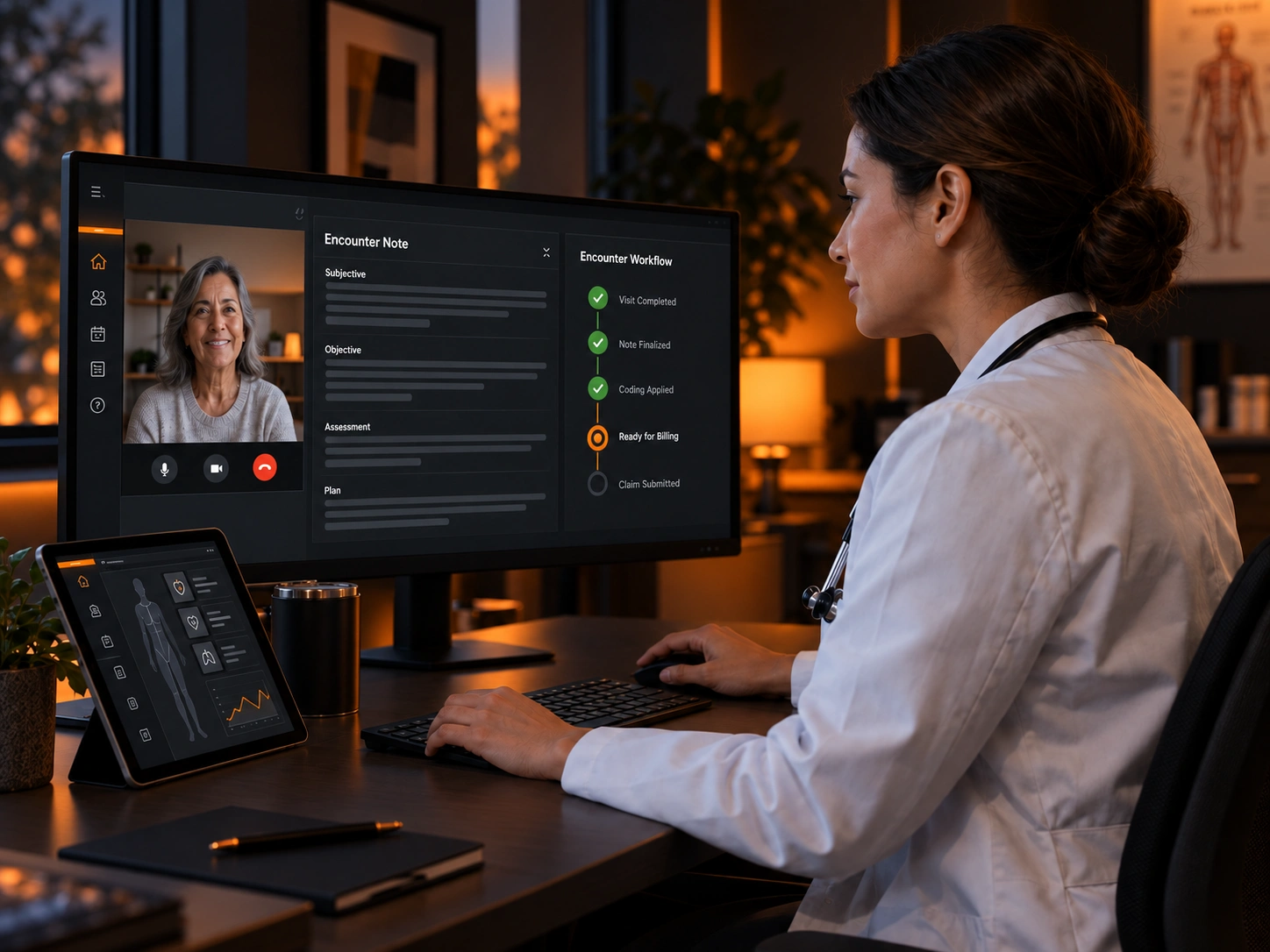
Encounter notes, CPT codes, and insurance claims connected to Epic, Cerner, Athenahealth, or your existing EHR so every telehealth visit is a billable record.

Telemedicine App
Models We Build

Three platform models cover most of the telehealth market. The integration requirements, the billing model, and the licensing architecture differ significantly between them.
01

Direct-to-Consumer Telehealth

A patient-facing platform where individuals book and pay directly, with provider matching, scheduling, and payment processing built for a consumer experience rather than an insurance workflow.

02

Provider-Embedded Virtual Care

A virtual care tool integrated into an existing practice’s workflow, connecting to the EHR, the scheduling system, and the billing infrastructure the practice already uses.

03

White-Label Telehealth Platform

A configurable telemedicine platform sold to healthcare providers, health systems, or employer health benefit programs, with multi-tenant architecture and per-provider customisation.

The Kind Of Experience
Patients Already Expect

A patient who has used Teladoc or MDLive arrives on a new telehealth platform with a baseline. They expect to see their provider within the appointment window rather than wait in a queue with no status update. They expect the video to work on their phone without downloading an app they will use once. They expect a prescription or a follow-up note to arrive before the end of the day. Falling short of any of those three is how a telehealth platform loses patients after the first visit.

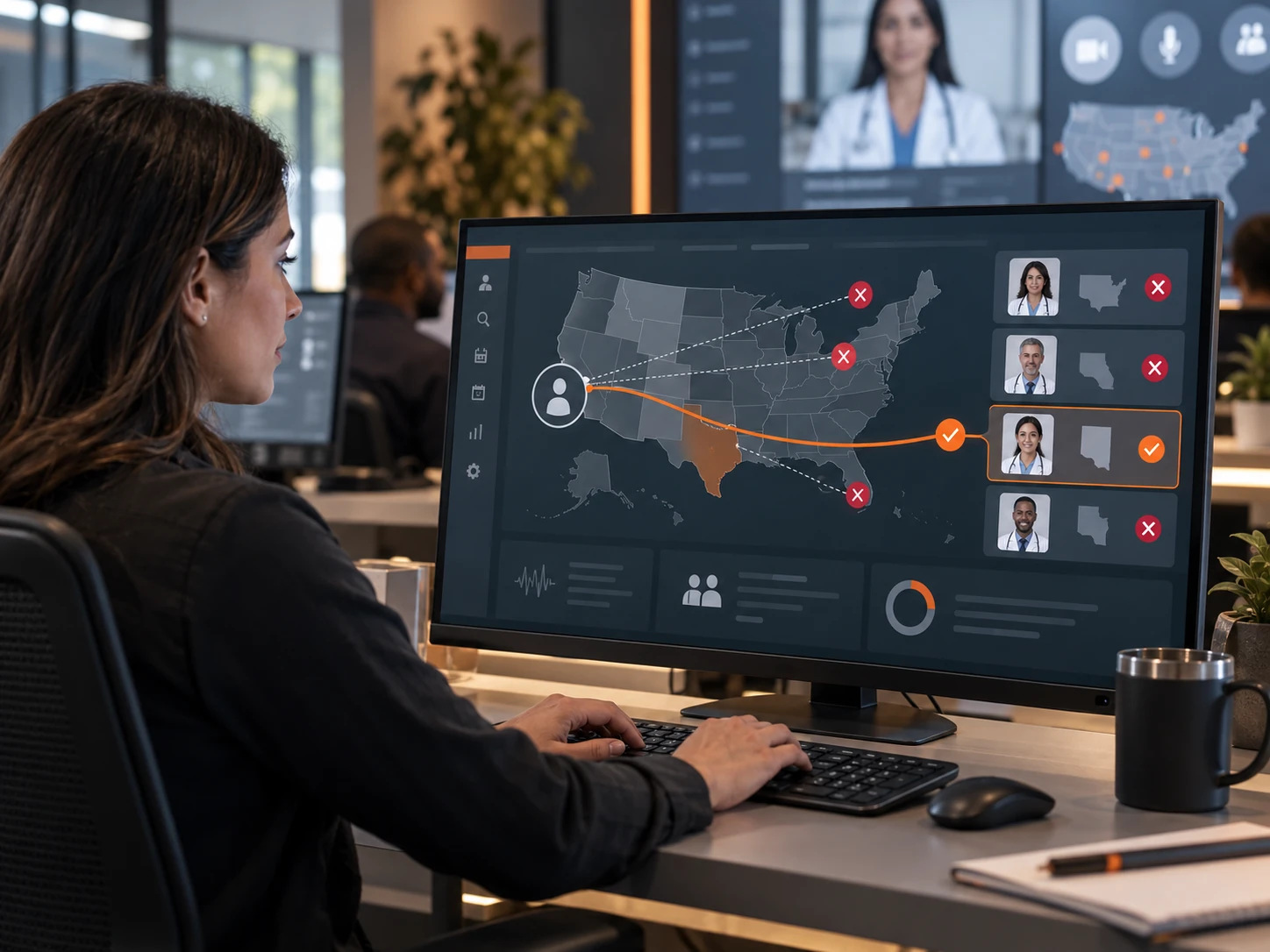
Cross-state licensing is the technical constraint most telehealth platforms implement incorrectly. A provider licensed in California cannot legally see a patient in Texas. A platform that does not enforce that at the routing level creates liability for the provider, regardless of whether the clinical interaction would have been appropriate in the provider’s home state. We build licensing verification and routing logic that enforces state boundaries before a patient is connected, not after.

Key Features We Build, By User

05 features
  • Provider search and specialty filter
  • Appointment booking and reminder notifications
  • Intake questionnaire and consent forms
  • Secure video consultation room
  • Prescription and follow-up instruction delivery

How Much Does A
Telemedicine App Cost?

Cost depends mainly on how many integrations your platform needs (EHR, insurance billing, multi-state licensing) and how complex your business model is. As a general guide:
01

Single-Specialty Platform

Video consultations for one specialty with booking, intake, and payment processing, without EHR integration. These typically fall in the mid five-figure range and take twelve to eighteen weeks.

02

Multi-Provider Platform

A full telehealth platform with EHR integration, multi-state licensing management, insurance billing, and provider onboarding. These sit in the high five-figure range with an eighteen to twenty-six week build.

03

Enterprise or White-Label

Multi-tenant telehealth platforms for health systems, insurers, or employer benefit programs, with per-tenant configuration and advanced compliance documentation. These run into the six-figure range.

These are market ranges, not fixed quotes. We give you an itemized number after a short discovery call.

How We Work

01Discovery

We map your clinical workflow, your provider licensing states, your EHR system, and your billing model before any design decisions are made.

02Design

We prototype the patient and provider experience before development starts, testing the booking flow and the session transition specifically with clinical users.

03Development

We build in sprints with regular check-ins so your clinical and compliance teams can review real telehealth workflows and licensing logic throughout the build.

04Testing

Every build goes through HIPAA compliance review, video session testing, and EHR integration validation before release so clinical and compliance gaps are caught first.

05Launch and Support

We handle App Store and Google Play submission and stay on for EHR updates, state licensing changes, and new specialty or geography additions after launch.


Technologies We Use
For Telemedicine
App Development

We build telemedicine apps in React Native for iOS and Android. Video sessions run on WebRTC with a HIPAA-compliant infrastructure layer and a Business Associate Agreement covering the video provider. The backend runs on Node.js with PostgreSQL for patient records and encounter data, hosted on AWS within a HIPAA-eligible environment. EHR integration connects through FHIR APIs for Epic, Cerner, and Athenahealth. Payments process through Stripe for direct-pay and patient responsibility billing.
  • React Native
  • TypeScript
  • JavaScript
  • WebRTC
  • Node.js
  • PostgreSQL
  • GraphQL
  • FHIR
  • AWS
  • Stripe
  • Google Cloud
  • Firebase

Why Choose Stateside Digitals For
Telemedicine App Development

Frequently Asked Questions

Does the video session need to be HIPAA compliant?

Yes. HIPAA compliance for telehealth video requires more than encryption. The video infrastructure must be covered by a Business Associate Agreement, the session must be isolated from consumer platforms, and any recordings must meet PHI storage and access requirements from the moment they are created.

Can providers prescribe through the platform?

Can you integrate with Epic, Cerner, or Athenahealth?

How do you manage providers across multiple states?

How is this different from your Telemedicine industry page?

Let’s Build Your
Telemedicine App

Tell us which specialties you serve, which states your providers are licensed in, and which EHR you use, and we will scope a telemedicine platform built around all three.

FILL THE FORM

Stateside Digitals
@2026
LET’s CONNECT