Inventory Management
App Development

Stateside Digitals builds custom inventory management apps for warehouses, retailers, manufacturers, and field service operations across all 50 states, covering barcode scanning, stock tracking, ERP integration, and real-time visibility across every location.

Why The Inventory Management App Market Needs The Right App

The gap between what the system shows and what is actually on the shelf is where inventory management costs go. A warehouse carrying inaccurate stock counts either holds too much of the wrong thing and pays to store it, or runs out of the right thing at the wrong moment and pays in a missed order or a production halt. That gap does not exist because the team is careless — it exists because the tools for closing it are slow, fragmented, or require data entry nobody has time to do correctly.

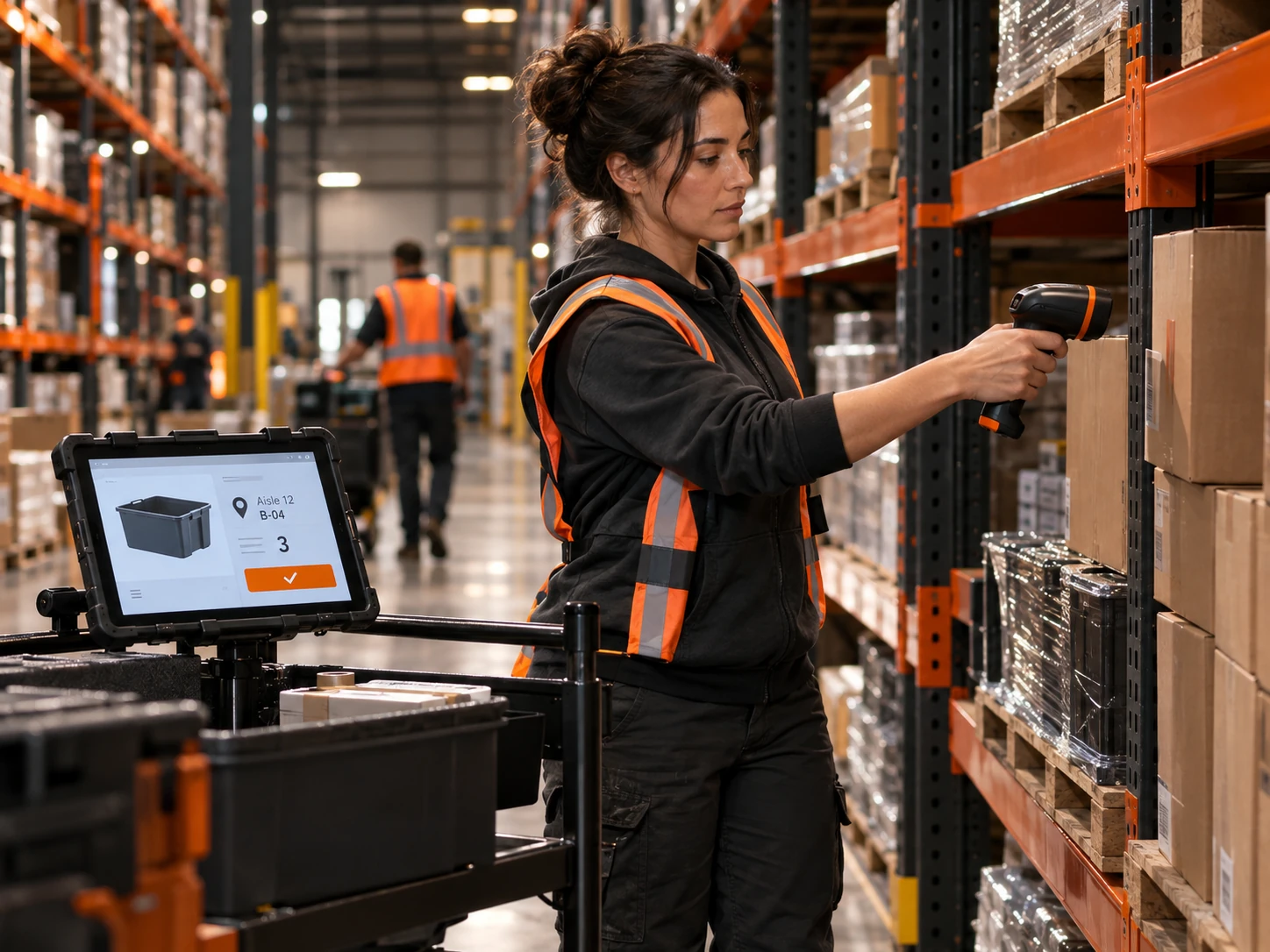
Generic ERP inventory screens were designed for desktop data entry rather than for a warehouse operative scanning items at speed with one hand. A purpose-built inventory app built around how stock actually moves — scan on receive, scan on pick, scan on ship — closes the gap between physical reality and digital record without adding a step to a workflow that is already moving faster than the system can keep up with.

Our Inventory Management
App Development Services

01

Stock Tracking and Movement Logs

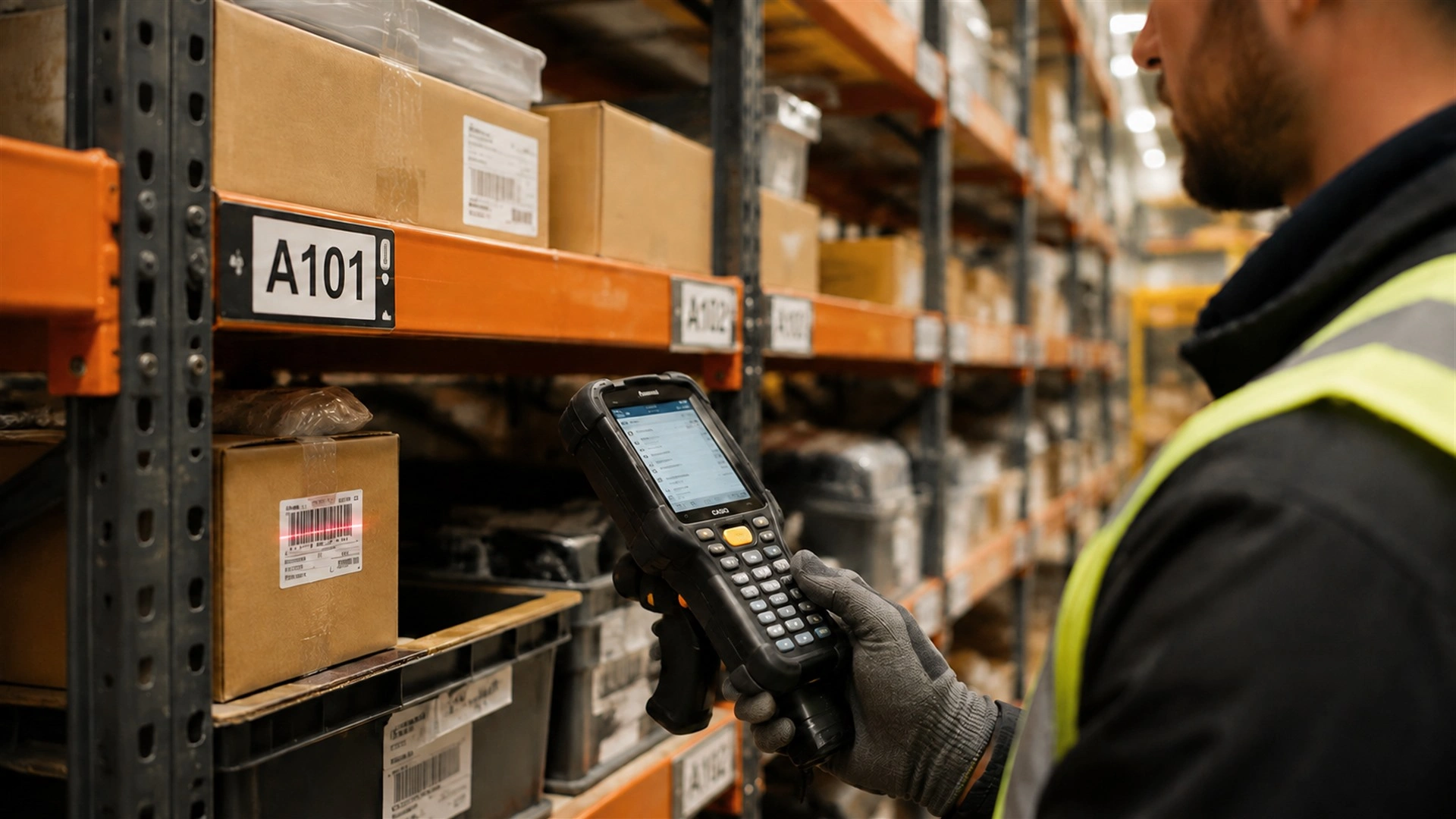
Real-time stock levels by location, bin, and serial number, with a movement history that shows exactly what was received, moved, picked, or shipped and when.
03

ERP and WMS Integration

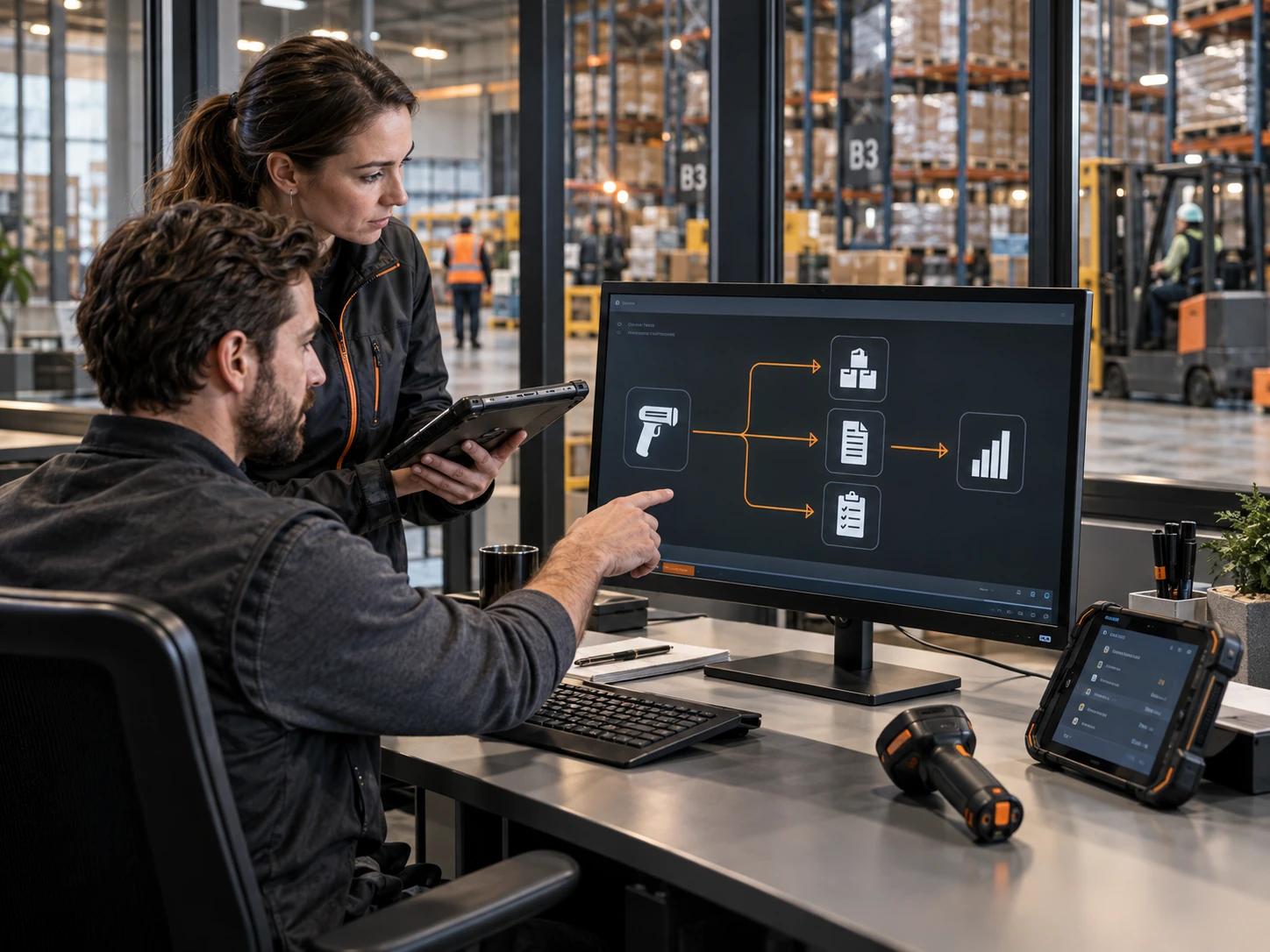
Connecting your inventory app to SAP, Oracle, Microsoft Dynamics, QuickBooks, Xero, or your existing WMS so stock data flows both ways without parallel entry.

Inventory Management App
Models We Build

Three operational models cover most of the inventory management market. The scanning workflow, the integration requirements, and the compliance obligations differ between them.
01

Warehouse and Distribution App

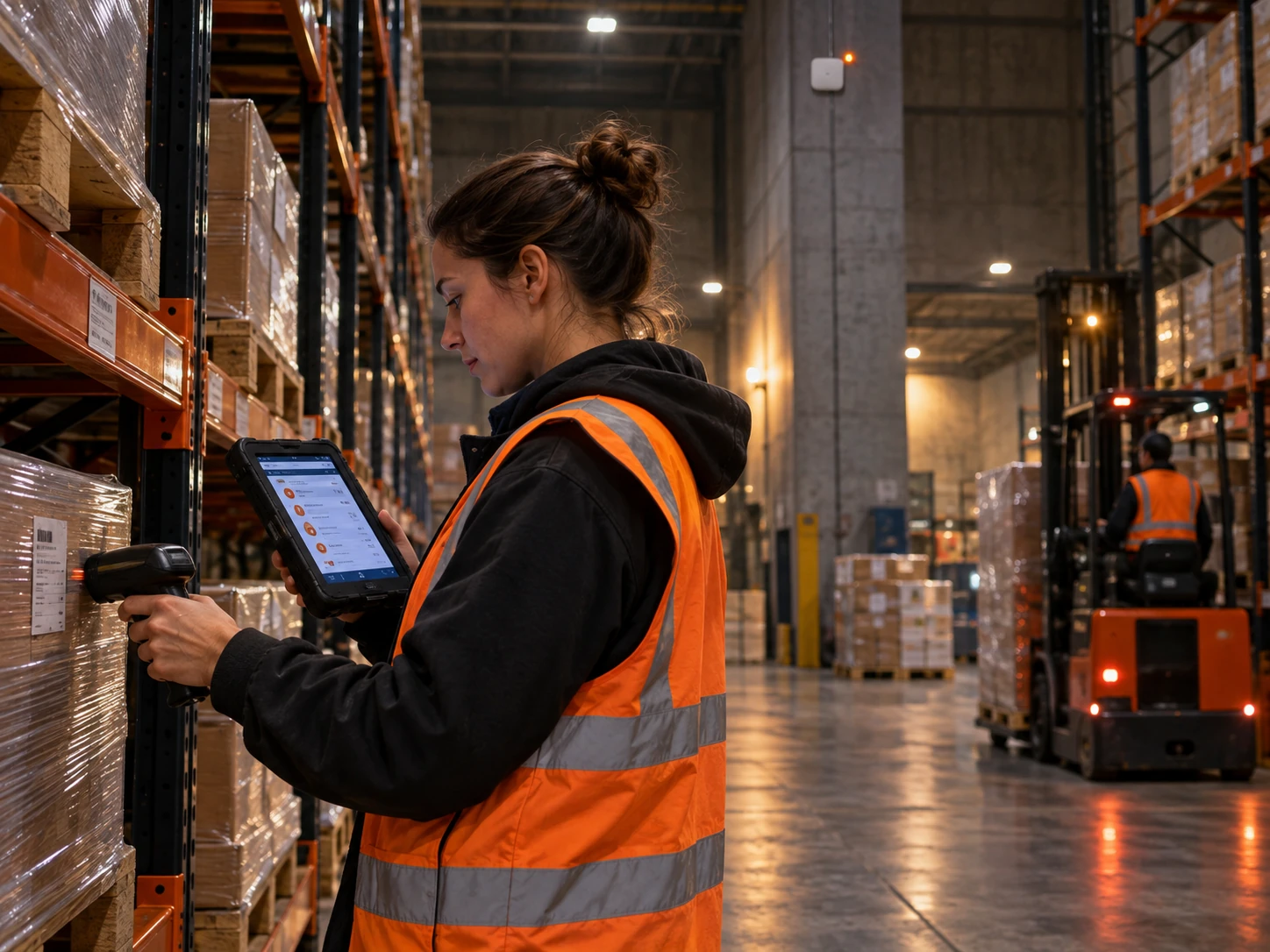
A full warehouse management tool covering goods receipt, putaway, picking, packing, and shipping, with bin and location management, cycle counting, and real-time stock visibility across the site.

02

Retail Multi-Location Inventory

Stock level tracking and replenishment management across multiple stores or locations, with transfer orders, shrinkage recording, and reorder triggers based on real-time sell-through data.

03

Field Inventory Management

Parts and materials tracking for field service teams and mobile technicians, with vehicle stock lists, parts usage logging on job completion, and replenishment requests raised from the field.

The Kind Of Experience
Operators Already Expect

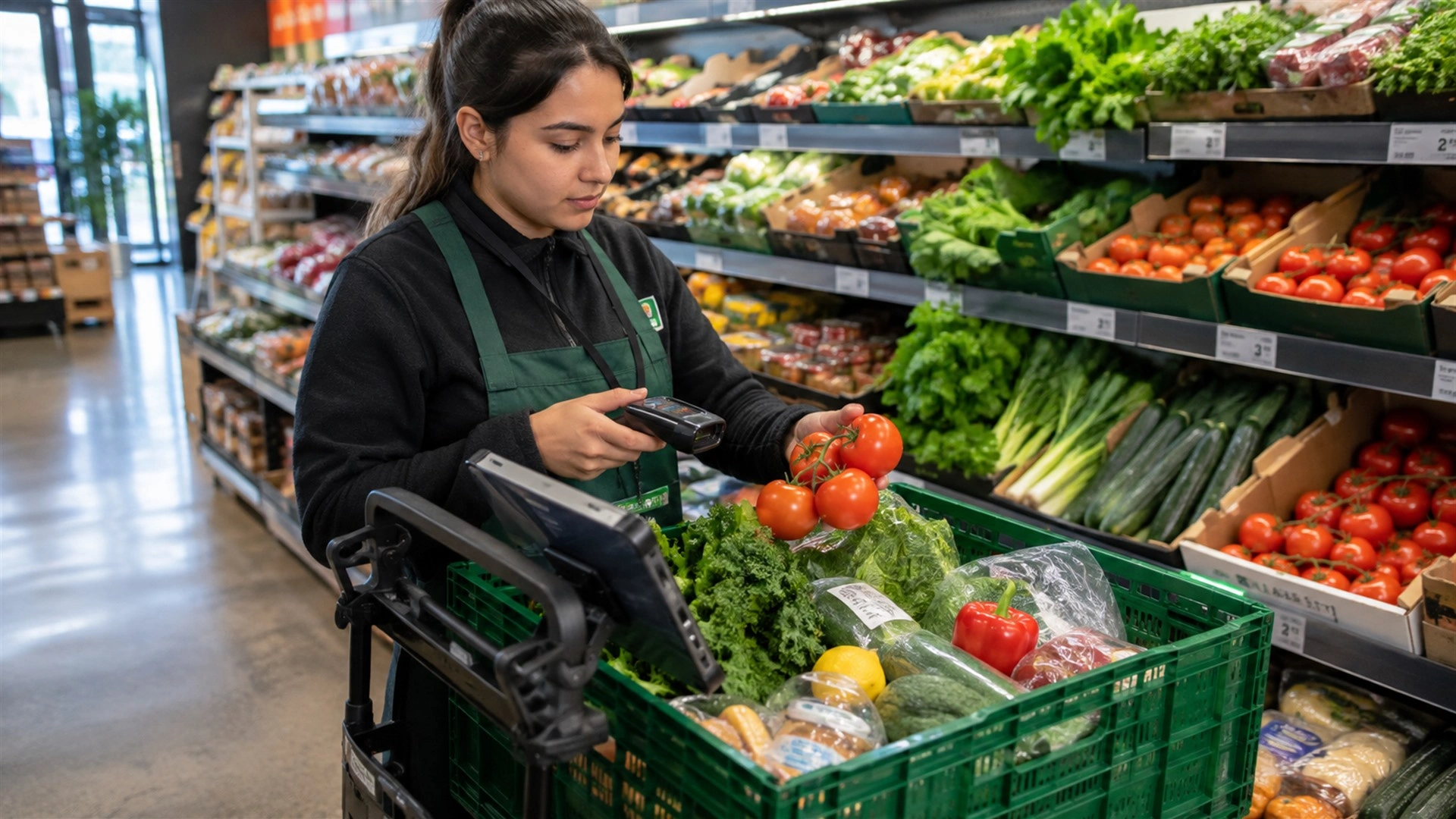
A warehouse operative who has used a modern WMS expects to complete a receiving task by scanning the delivery and confirming the quantity, not by typing a ten-digit SKU into a text field on a small screen. The same scan should update the stock record in real time, alert the purchasing team if there is a shortfall against the purchase order, and tell the pick team where the stock has been located — all without the operative opening a second screen or making a phone call.

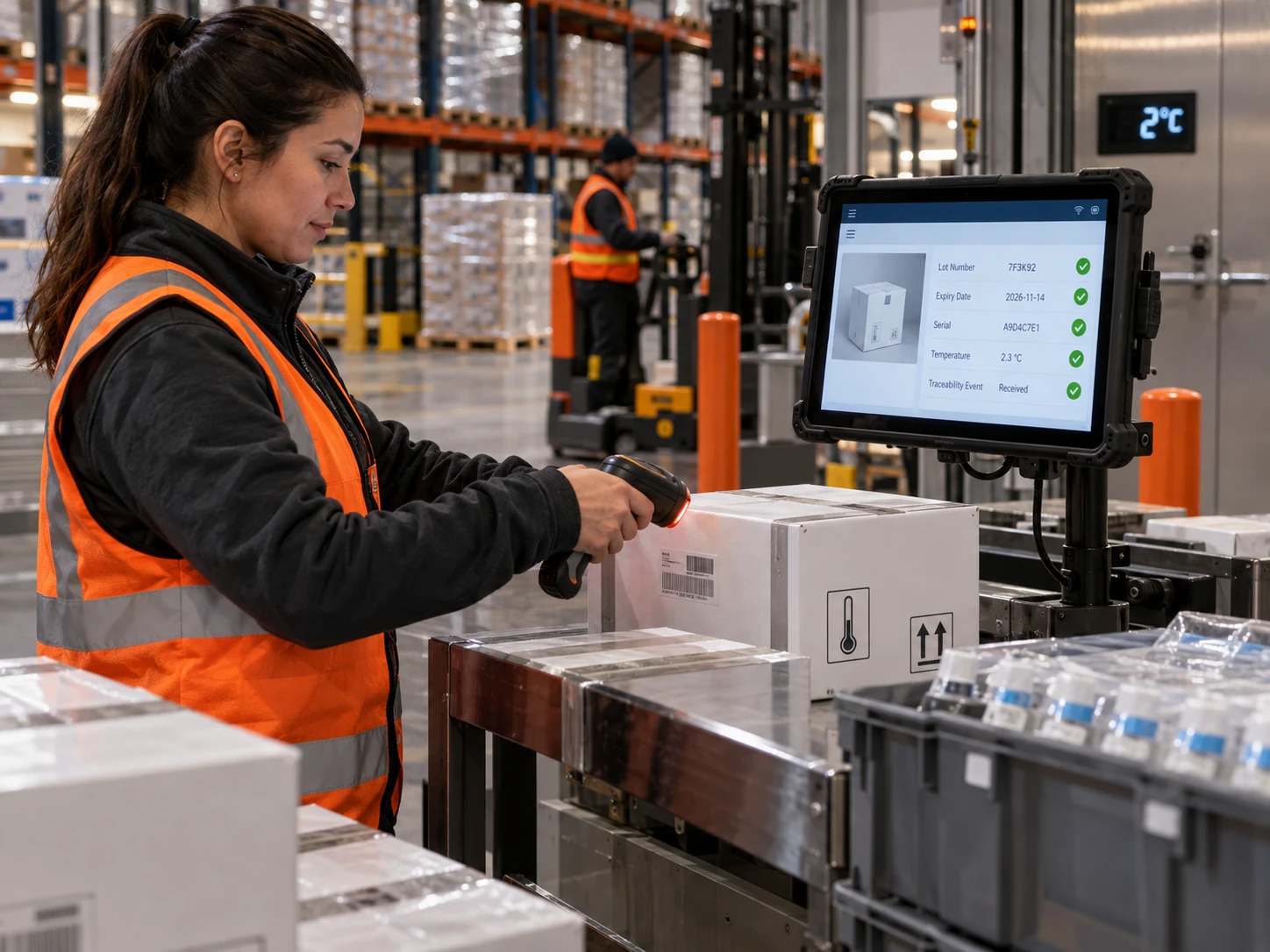
For operations handling regulated products, the compliance expectation is specific. FDA FSMA traceability requirements mandate tracking Key Data Elements through every stage of handling for food products. Lot number and expiry date management for pharmaceutical inventory must follow FEFO rotation rules rather than FIFO when dates differ. Serial number tracking for high-value or regulated equipment must survive a device failure without losing the record. We design the data model around those requirements before the first scan is configured.

Key Features We Build, By User

05 features
  • Barcode and QR scan on receive, move, pick, and ship
  • Bin and location lookup and transfer
  • Cycle count and stocktake by zone or aisle
  • Lot number and expiry date capture
  • Print label and document generation

How Much Does An
Inventory Management App Cost?

Cost depends mainly on how many locations you run and whether you need ERP integration, lot tracking, or compliance features. As a general guide:
01

Single-Location Tracking App

Core scanning, stock tracking, and basic movement logging for one warehouse or store without ERP integration. These typically fall in the mid five-figure range and take ten to sixteen weeks.

02

Multi-Location with Integration

Full inventory app with ERP connection, multi-location visibility, and reorder management. These sit in the high five-figure range with a sixteen to twenty-four week build depending on integration complexity.

03

Regulated or Enterprise App

Lot tracking, serial number management, FSMA traceability, or multi-site enterprise platforms. These run into the six-figure range and are scoped individually based on compliance and integration requirements.

These are market ranges, not fixed quotes. We give you an itemized number after a short discovery call.

How We Work

01Discovery

We map your stock movement workflow, your scanning hardware, your ERP or WMS system, and your compliance obligations before any design decisions are made.

02Design

We prototype the scanning and movement interface with real warehouse staff before development starts so speed and accuracy problems are found at the workflow level.

03Development

We build in sprints with regular check-ins so your operations team can review real scanning flows and ERP sync behaviour throughout the build rather than at final delivery.

04Testing

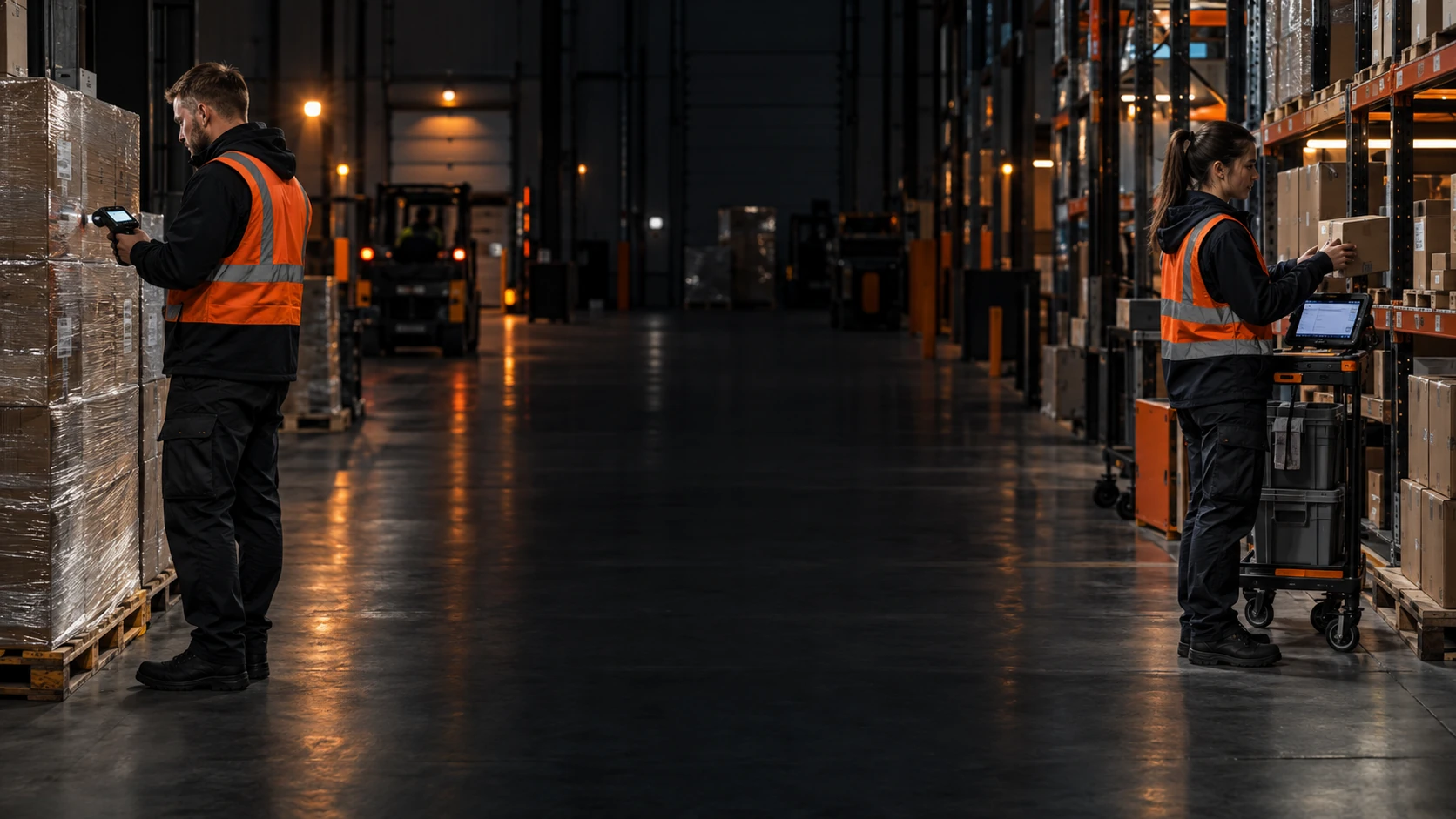
Every build is tested in real warehouse conditions, including offline and poor-signal environments, before release so scanning accuracy and sync reliability are confirmed first.

05Launch and Support

We handle App Store and Google Play submission and stay on for ERP updates, new location additions, and new product category or compliance changes after launch.

Technologies We Use
For Inventory Management
App Development

We build inventory apps in React Native for iOS and Android, using the device camera for barcode and QR scanning or integrating with dedicated Zebra and Honeywell scanner hardware through Bluetooth. The backend runs on Node.js with PostgreSQL for stock records, movement history, and lot data. ERP integration connects through REST APIs, SOAP services, or EDI file exchange depending on your system. Offline scanning queues to local storage and syncs on reconnection without data loss.
  • React Native
  • TypeScript
  • JavaScript
  • Node.js
  • PostgreSQL
  • Redis
  • GraphQL
  • Barcode Scanning
  • ERP Integration
  • AWS
  • Google Cloud
  • Firebase

Why Choose Stateside Digitals For
Inventory Management App Development

Frequently Asked Questions

Can the app work with our barcode scanner hardware?

Yes. We integrate with dedicated scanning hardware from Zebra, Honeywell, and other enterprise scanner manufacturers through Bluetooth. Where dedicated hardware is not required, device camera scanning works well for lower-throughput environments. We confirm the scanning hardware requirements during discovery before recommending an approach.

Can you integrate with SAP, Oracle, or Dynamics?

Does the app work without Wi-Fi in the warehouse?

Can you build lot tracking and expiry management?

Can it work across multiple warehouses or locations?

Let’s Close
The Gap

Tell us what your system currently shows versus what is actually on the shelf, and we will scope an inventory app built around closing that gap at the point of scan.

FILL THE FORM

Stateside Digitals
@2026
LET’s CONNECT